

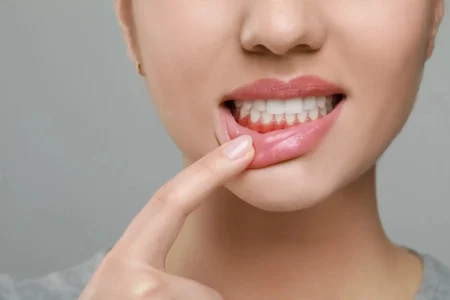
Do your gums bleed when you brush? A lot of people see a little pink in the sink and brush it off. The truth is bleeding gums are one of the first signs of gum disease. It is very common, and the early stage is easy to miss. The good news is that gum disease treatment works well when you catch it early. At Montville Dental Studio, we help patients across Montville stop gum disease before it damages their teeth. This page explains the signs, the causes, and what treatment looks like.
Gum Disease Treatment in Montville, NJ
Gum disease is an infection of the tissue that holds your teeth in place. It starts when plaque builds up along the gum line. Plaque is a sticky film full of germs. If it is not cleaned off, it hardens into tartar, which only a dentist can remove. Over time the gums pull away from the teeth and form small pockets. Those pockets trap more germs. Gum disease treatment cleans out these pockets and helps the gums heal.
The type of treatment depends on how far the disease has gone. Some people need one deep cleaning. Others need a few visits. We check your gums first, then build a plan that fits your case. Patients from Montville, Towaco, and Boonton come to us for gentle care that actually helps.
Early Signs of Gum Disease
Most people do not feel pain in the early stage, which is why it gets missed. Look for red or puffy gums. Watch for bleeding when you brush or floss. Bad breath that will not go away is another sign. So are gums that look like they are pulling back from your teeth. In later stages, teeth may feel loose or your bite may change. If you notice any of these, do not wait. Early gum disease is called gingivitis, and it can often be reversed with a cleaning and better home care. Once it turns into the deeper form, called periodontitis, the damage is harder to undo. A quick gum check at our office can tell you where you stand.
What Causes Gum Disease
Plaque is the main cause, but a few things make it worse. Skipping regular cleanings lets tartar build up. Smoking raises your risk a lot and slows healing. Diabetes can make gums more likely to get infected. Some medicines dry out your mouth, which lets germs grow. Stress and a poor diet play a part too. Even your genes matter, since some people are more prone to gum problems no matter how well they brush. Knowing your risk helps us plan the right care. If you smoke or have diabetes, we will keep a closer eye on your gums and see you more often.
Deep Cleaning and Scaling
The most common gum disease treatment is a deep cleaning. Dentists call it scaling and root planing. It sounds fancy, but it is simple. We clean the plaque and tartar from below the gum line, where a regular cleaning cannot reach. Then we smooth the tooth roots so the gums can heal and reattach. We numb the area first, so you stay comfortable the whole time. Most people feel fine afterward, maybe a little sore for a day. For many patients, one deep cleaning stops the disease in its tracks. We may split it into two visits so we can be gentle and thorough. After that, we set up a cleaning schedule to keep the gums healthy.
Treating Advanced Gum Disease
When gum disease is more advanced, a deep cleaning may not be enough. Deep pockets can be hard to keep clean at home. In these cases we may suggest extra steps. That can include a special rinse, medicine placed in the pockets, or more frequent cleanings. If the pockets are very deep, we may refer you to a gum specialist for further care. Our goal is always to save your natural teeth when we can. The sooner we treat it, the more options you have. Waiting too long can lead to loose teeth and even tooth loss, which is much harder and costlier to fix.
How Gum Disease Affects the Rest of Your Body
Gum disease is not just a mouth problem. Studies link it to heart disease, stroke, and trouble managing blood sugar. The same germs that infect your gums can travel through your body and cause swelling in other places. Pregnant women with gum disease may face a higher risk of early birth. This is one more reason to treat it early. Taking care of your gums is part of taking care of your whole body. When you keep your gums healthy, you protect much more than your smile.
Keeping Your Gums Healthy After Treatment
Treatment is only half the job. Healthy gums stay healthy with good habits. Brush twice a day and floss once a day to clear plaque before it hardens. Come in for regular cleanings so we can catch tartar early. After gum treatment, we often set cleanings every three or four months instead of every six. This is called periodontal maintenance, and it keeps the pockets from filling back up. We will also show you the best way to brush and floss for your mouth. Small changes at home make a big difference over the years.
Can You Prevent Gum Disease?
The best news about gum disease is that most of it can be prevented. Brush twice a day and floss once a day to clear plaque before it hardens into tartar. Do not skip your cleanings, since only a dentist can remove tartar once it forms. If you smoke, quitting is the single best thing you can do for your gums. Eat a balanced diet and drink plenty of water to keep your mouth healthy. If you have diabetes, keeping your blood sugar in check helps your gums too. Simple daily habits, plus regular visits, keep most people free of gum disease for life.
What to Expect After a Deep Cleaning
After a deep cleaning, your gums need a little time to heal. It is normal for them to feel tender or a bit sore for a day or two. Your teeth may feel more sensitive to hot and cold for a short while, which fades. Stick to soft foods for the first day if the area feels sore. Keep brushing gently and rinse with warm salt water to soothe the gums. We may have you come back in a few weeks so we can check how the pockets are healing. Most people notice their gums look pinker and bleed less within a couple of weeks.
Why Patients in Montville Trust Montville Dental Studio
Our team is part of this community, and many patients are our neighbors. We take time to explain what we see and why it matters. There is no pressure and no scare tactics. If your gums only need a regular cleaning, we will tell you. If you need deeper care, we will make it gentle and clear. We have helped families across Montville, Pine Brook, and Lincoln Park keep their gums and teeth healthy for years. Your comfort and your long term health come first.
Gum Disease Treatment FAQs
Does gum disease treatment hurt?
Most treatments are gentle. We numb the area for a deep cleaning, so you should not feel pain. You might feel a little sore for a day after, which eases fast.
Can gum disease be cured?
Early gum disease can often be reversed with a cleaning and good home care. The deeper form can be controlled and stopped, but not fully cured, so regular care matters.
How much does gum disease treatment cost?
It depends on how far the disease has gone. Many dental plans cover part of it. We will check your plan and give you a clear price before we start.
How often should I get my gums checked?
Most people should get a gum check at every cleaning, about twice a year. If you have had gum disease, we may want to see you every three or four months.
Book Your Gum Disease Treatment in Montville, NJ
Bleeding or sore gums will not fix themselves. The sooner you treat gum disease, the easier it is to save your teeth. Our team at Montville Dental Studio offers gentle gum care for patients across Montville and nearby towns. Call our office or book online to set up a visit. We will check your gums, explain what we find, and help you get back to a healthy smile. Your gums are the foundation of your teeth. Let us help you keep them strong.